-
Researching Central Eastern European History: tips and resources
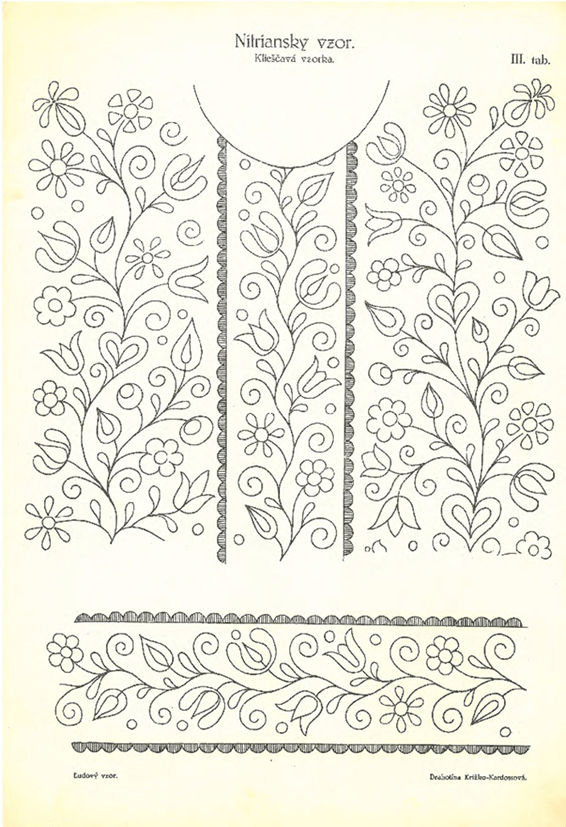
By Vanesa Djibrilova I have recently finished my master’s dissertation at the University of Glasgow on Slovak folk dress traditions. Here’s what I found out the hard way during my research about the nature of studying Central and Eastern European (CEE) history from the position of a Western university and English-speaking academia.
-
1. An Eighteenth-Century Waistcoat
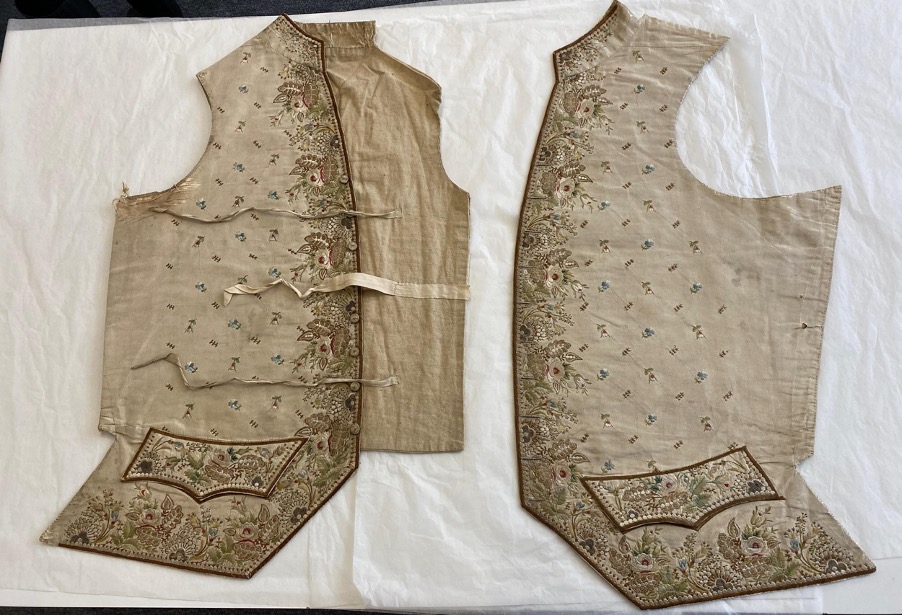
By Zara Kesterton (@ZaraKesterton) This eighteenth-century man’s waistcoat would look appropriately festive at a Christmas party, with its cream silk and rich embroidery glimmering under candlelight. It was likely made initially for use at the British court between c.1770 and c.1795. The waistcoat features a floral design with an innovative machine-made net applied over dark…
-
2. Pearls in the Armada Portraits
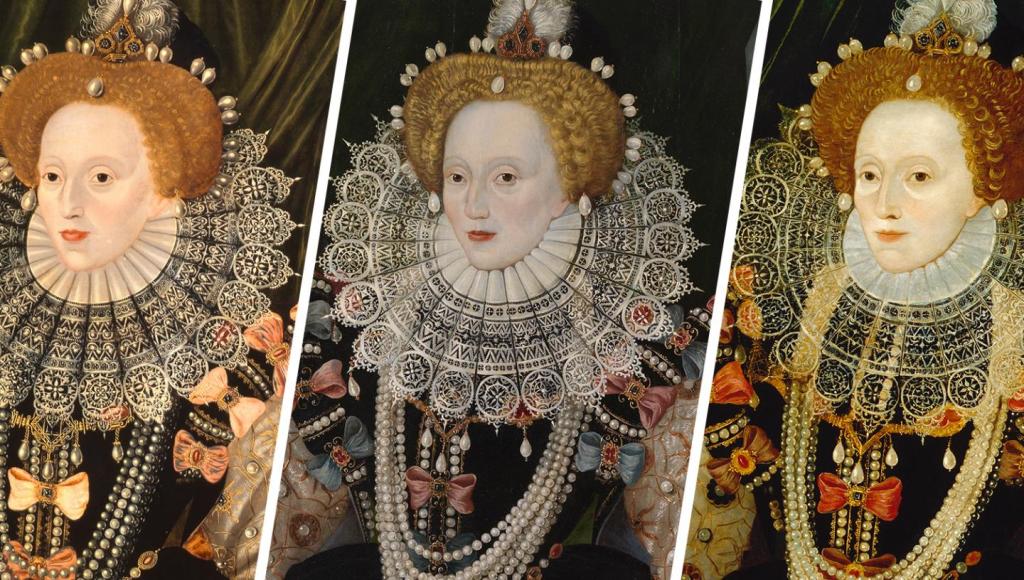
By Ellie Doran (@Elena_Doran) Only three Armada Portraits of Queen Elizabeth I survive.[1] All were painted to commemorate the English defeat of the Spanish Armada in 1588. Whilst it is fun to play ‘spot the difference’ between the details in each portrait, these paintings also provide beautiful sources for examining the global in the early modern period.
-
6. The 1667 Peace of Breda Medal

By Marlo Avidon (@MarloAvidon) Housed among the Fitzwilliam Museum’s many treasures is this 1667 medal by Jan Rottiers, commissioned to celebrate the Peace of Breda and the end of the Second Anglo-Dutch War. The front of the medal features Britannia, the personification of Britain, holding a spear and gazing at the departing ships of the British…
-
10. A Portrait of Dr Charles Russell
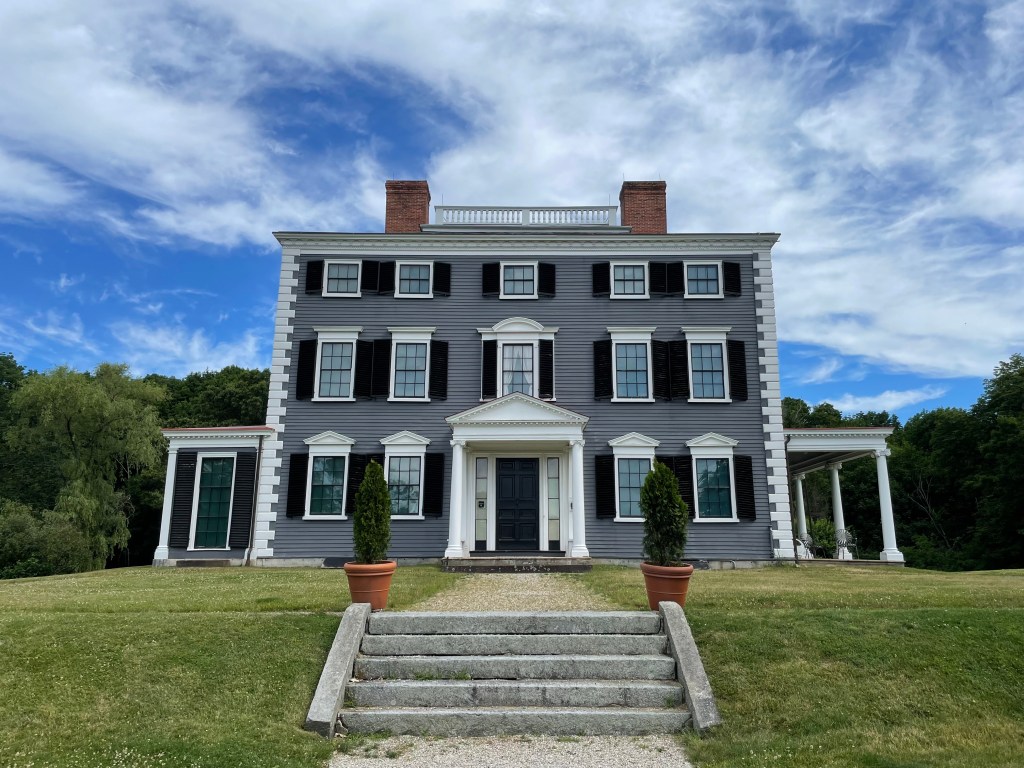
By Shea Hendry Prior to the American Revolution, Dr Charles Russell of Massachusetts owned a thriving medical practice in Charlestown and a sprawling country estate just south of Concord. Direct evidence of Dr Russell’s political leanings is fragmentary prior to the British Army’s ill-fated march into Lexington on April 19, 1775, though as his obituary…

 doinghistoryinpublic.org