-
The Great British Summer? A Historical Heatwave
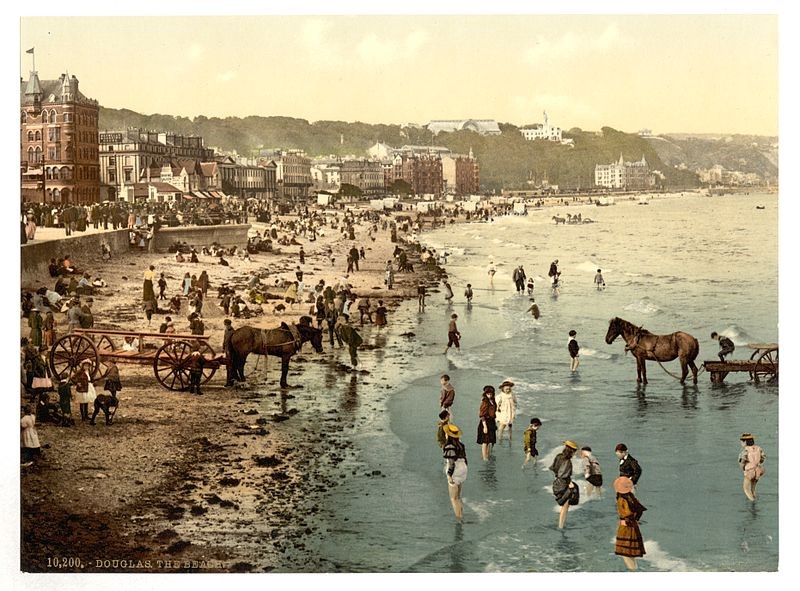
By Helen Sunderland (@hl_sunderland) ‘The Weather for some Days past is said by the Curious in such Observations, to have been several Degrees hotter than for these four Years past.’[1] As I write this piece under another cloudless Cambridge sky with temperatures soaring well into the high twenties, this July 1757 report from the London…
-
‘Go with your gut’? Reason and passion from the eighteenth century to the present day

By Madeleine Armstrong If you’ve ever had to make a difficult choice, you’ll be familiar with the nauseating conflict between the head and the heart. You may have drawn a dozen pros-and-cons lists, only to go with the option that simply felt right. We are accustomed to seeing reason and passion in conflict, and always…
-
Digging up coals, Down Under
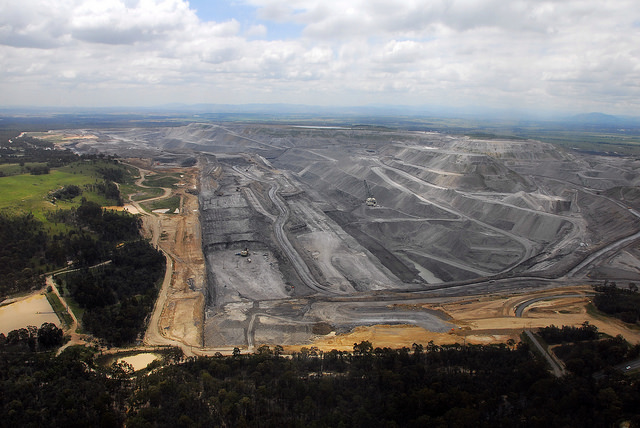
By Matthew DJ Ryan Growing up I would often take the eight-hour train ride from my home town in the ‘bush’ (country) down to Sydney, Australia. For at least half of that trip the train would zip past coal mine after coal mine, sharing the tracks with cargo trains carrying their fossilized loads, often hundreds…
-
Gendered Play: The Girl Scouts of America

By Jess Rome Modern-day Girl Scouts champion the importance of an ‘all-girl, girl-led’ environment in which girls can learn in ways tailored to their needs.[1] Juliette Low, founder of the Girl Scouts of America in 1912, had much the same attitude. Low saw Girl Scouting as providing girls with the adventure and activity of Boy…
-
Unintended research finds: the mustard bath

By Helen Sunderland | @hl_sunderland Getting stuck into my summer reading, I have spent the last few weeks trawling through volumes of early twentieth-century teachers’ magazines. I am scouring these weekly periodicals for references to politics in the classroom. Hidden among the teaching tips, correspondence pages and reports on government activity, are examples of political…

 doinghistoryinpublic.org