

By Marlo Avidon (@MarloAvidon)
Sitting in my first year of undergrad, I remember the stern admonishment of my seminar leader prepping us for the submission of our coursework: anachronism doesn’t belong in the study of history. As historians, there is a constant expectation to maintain distance from the figures we study and to be constantly vigilant of projecting our twenty-first century mentalities onto historical agents or events. Of course, there is some truth in this statement. A certain degree of objectivity is a necessary in rigorous academic research, particularly to avoid making assumptions behind the motivations behind individual or group decisions or subject past actors to unfair modern scrutiny.
Yet somehow, the further I have travelled in my academic journey, the harder it has become to separate my modern, beliefs, values, and sentiments from the early modern men and women I study. Sitting the archive, leafing through pages of personal correspondence, I am constantly struck by how little has changed in the way individuals, particularly family members, interacted with one another. I’ve found myself chuckling through my transcriptions of mother-daughter disputes over issues great and small, including what to wear and who to associate with. The language, themes, and emotions infused in these centuries old letters could have come directly from the script of a popular Netflix family drama.
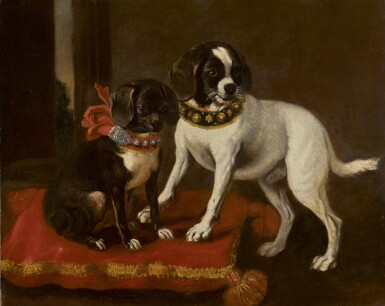
Indeed, some of my favourite anecdotes have drawn direct parallels to my own life. In the correspondence of the Lucas family, now kept in the Bedfordshire Archives, a stream of letters between siblings provides dutiful updates on the family dogs, the wonderfully named Punch and Minion. Amabel Grey wrote to her brother Henry, on his Grand Tour in 1690, to gleefully inform him that Punch had had puppies. Some weeks later, she dutifully noted that “Punch and minion are very well and present their services.”[1] The affection between the siblings, and the act of presenting the services of their beloved pets is strikingly like today, when I would get sent pictures of my dog by my parents, cheekily captioned “Wembley says hello!”- A modern day presentation of service. Reframing the interaction between Henry and Amabel (and Punch and Minion) through this modern lens fosters a closer connection with them as individuals and as a family, and ultimately has allowed me to gain a greater understanding and appreciation of their social and cultural worlds.
Henry Grey’s other letters also closely mirror modern day family dynamics. His grandmother secretly sends him money to support his spending on his Tour along with a tongue in cheek reminder that “ Your father knows nothing of it, you may have it wholly at your own disposing.”[2] In turn, his father expresses his frustration when Henry defies his wishes to visit Italy, noting how he invoked the ire of his mother, with whom he had to bargain to go abroad in the first place. Scattered throughout the Lucas correspondence, and indeed in the personal and family correspondence held in archives across the UK, are comparable memories, notes, and stories. These small moments enliven the archive and enrich the experience of the historian. Ultimately, they unlock the humanity of the figures we study and allow us to view them not just as names on a paper or a portrait on a wall, but as living, breathing people who found joy, frustration, and humour in many of the same circumstances we do today.
So, maybe there is some room for anachronism within the historical discipline. If we can’t empathise with the historical subjects we study, how then can we write about their experiences, their emotions, and begin to understand their actions? How far this close reading of sources can be taken is a debate for another time. For now, I encourage everyone to revel in the little stories they encounter in their primary sources and embrace the relatability of what they might find.
[1] Bedfordshire Archive, L30/8/31, Correspondence to Henry Grey, 12th Earl of Kent from his sister, Amabel Grey.
[2] Bedfordshire Archive, L30/8/30: Correspondence to Henry Grey, 12th Earl of Kent, from Amabel Grey, Countess of Kent (grandmother), Wrest.
 doinghistoryinpublic.org